
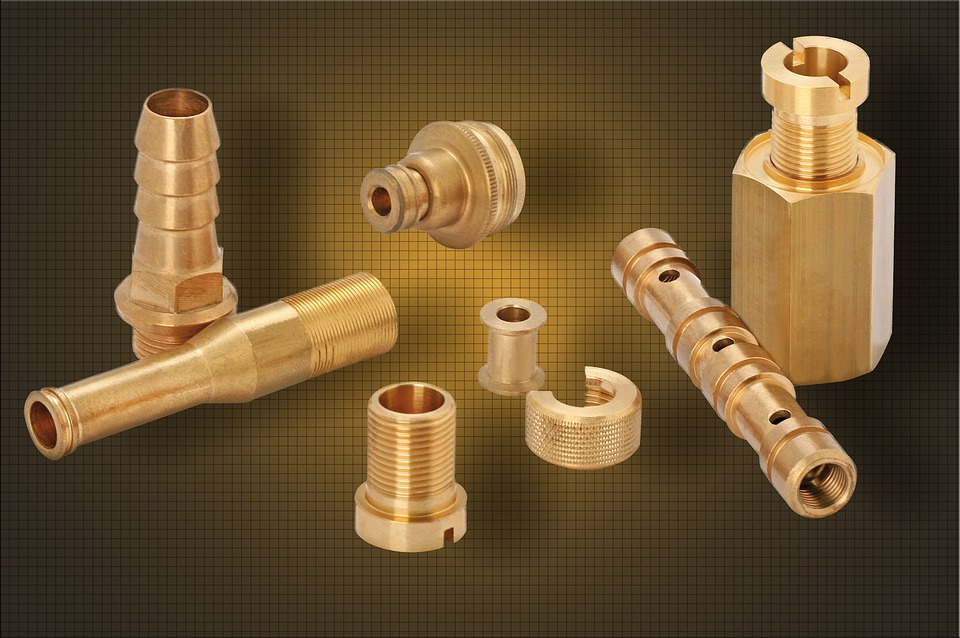
Producing high-quality precision mechanical components also depends on the skilful use of electroplating. This is the case with electroplating brass. Here is what you need to know.
Not just steels. It would be reductive to limit precision engineering to machining carbon, stainless or special steels. Experts exploit the strengths and weaknesses of many other materials to use the right one for each type of machining and end use. Brass is one example.
Brass is an oxidisable alloy of copper and zinc, sometimes with other elements, characterised by versatility, exceptional mechanical properties and a fine appearance.
When to choose brass in precision engineering
Precision engineering has found in brass a material with outstanding mechanical and aesthetic properties. But when is it chosen? It is chosen for mechanical components that must resist corrosion, tension and wear.
Experts use the qualities of brass to build components for every type of industry: automotive, plumbing, medical, hydraulics and more.
How electroplating brass works
Electroplating modifies the properties of the material to better suit its intended use.
In most cases this means creating an additional protective layer that improves the material’s properties and guarantees its performance (here, brass). Since brass tends to wear through use and weathering, the protective layer reduces and slows its deterioration.
Brass is treated with aqueous solutions containing bases, metal salts, special additives and other substances at room temperature in tanks arranged in sequence. Electroplating includes preparing the component surfaces, depositing the metal coating and finishing. Once the procedure is complete, the components are dried in annealing ovens to avoid moisture spots.
Electrochemical deposition changes the surface properties of the material both technically and aesthetically: the component becomes more functional, more durable and better looking. It goes without saying that every electroplating treatment must be carried out with care and expertise to produce high-quality brass components.