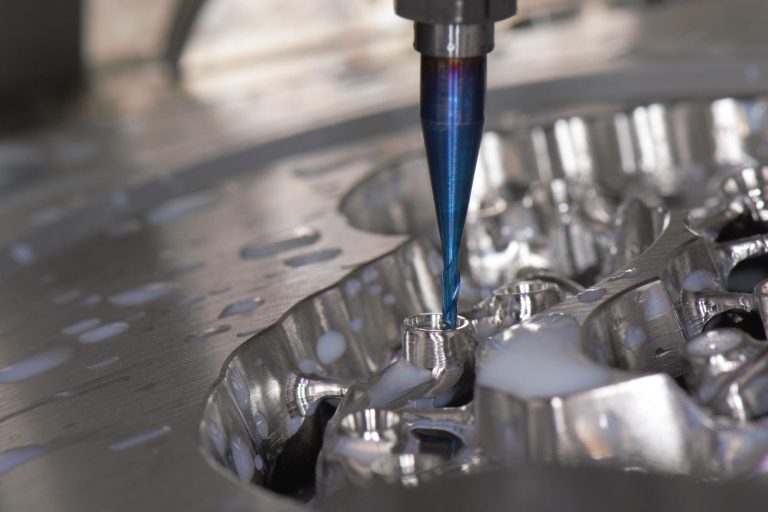
Using CAD/CAM software in precision engineering
Precision engineering requires advanced technologies to produce quality components, and CAD/CAM plays a fundamental role.

Precision engineering requires advanced technologies to produce quality components, and CAD/CAM plays a fundamental role.
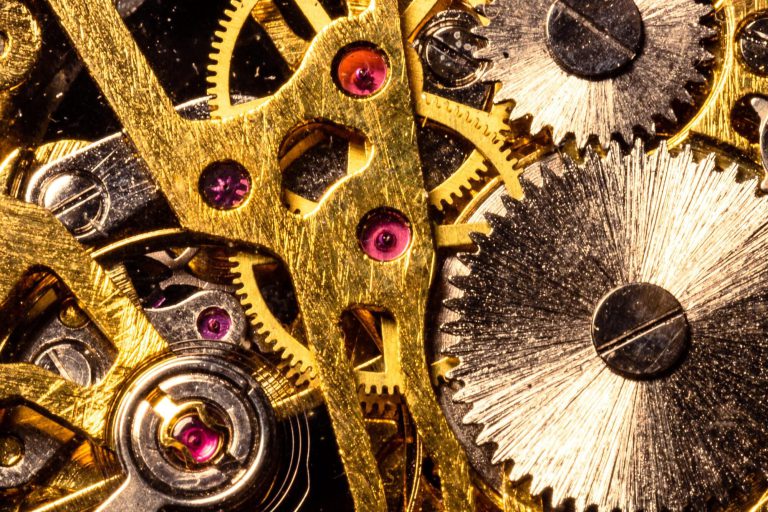
Producing high-precision mechanical components may require several processes. Let’s look at the main ones.
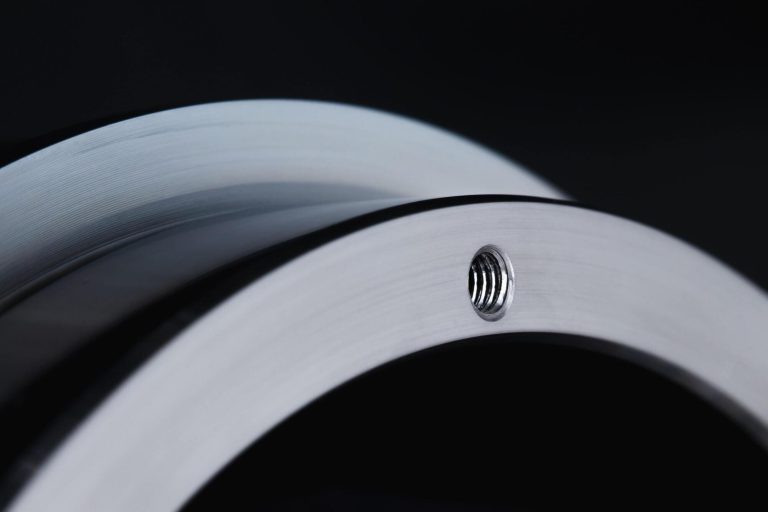
Each metal has specific advantages depending on the product required. Let’s see how this applies in precision engineering.
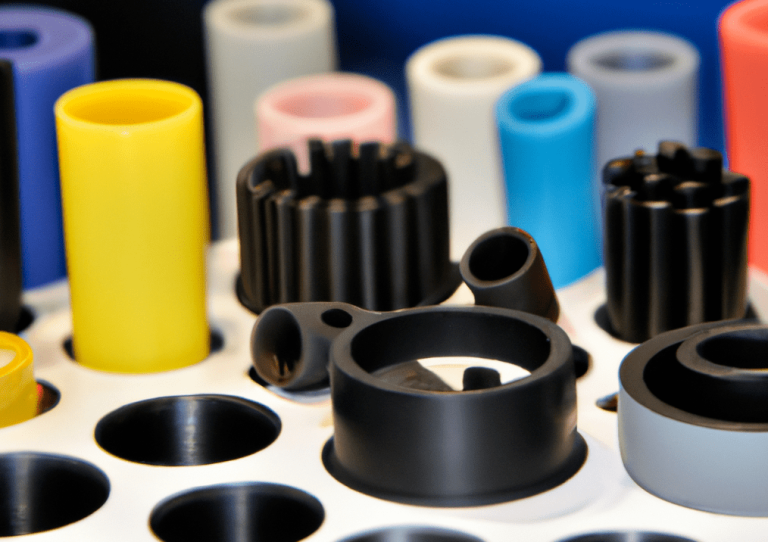
Plastics such as Delrin, PVC, nylon, Teflon and polyethylene are used across industries to produce high-precision mechanical components.
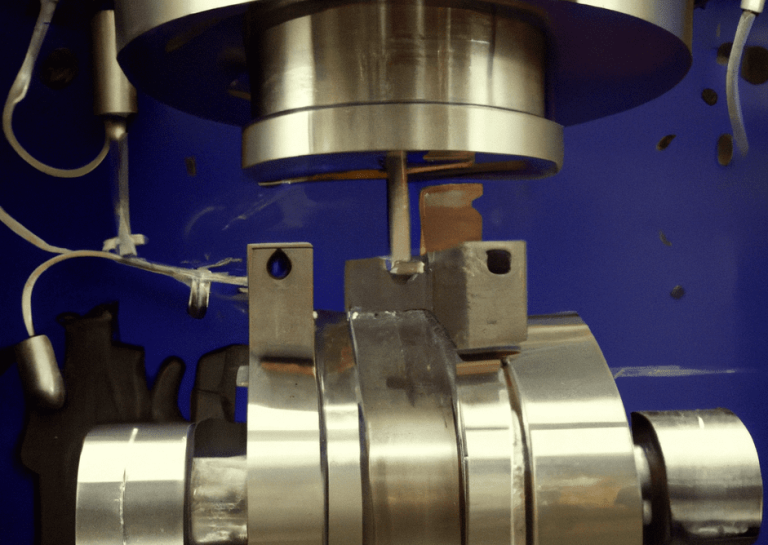
Precision machining is a set of processes used to create mechanical components to high standards of accuracy and quality.

Zinc plating and carbonitriding are two surface treatments used to protect metals from corrosion and wear.
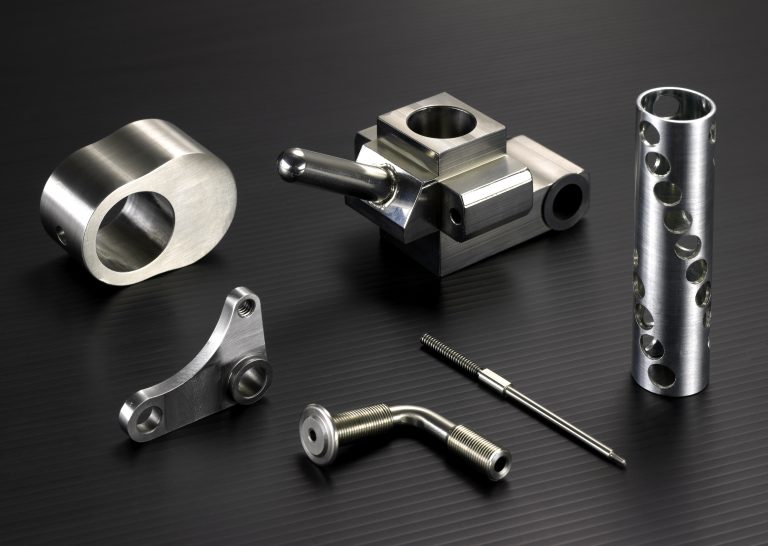
CNC machines make it possible to produce high-precision mechanical parts with high repeatability, minimising human error.
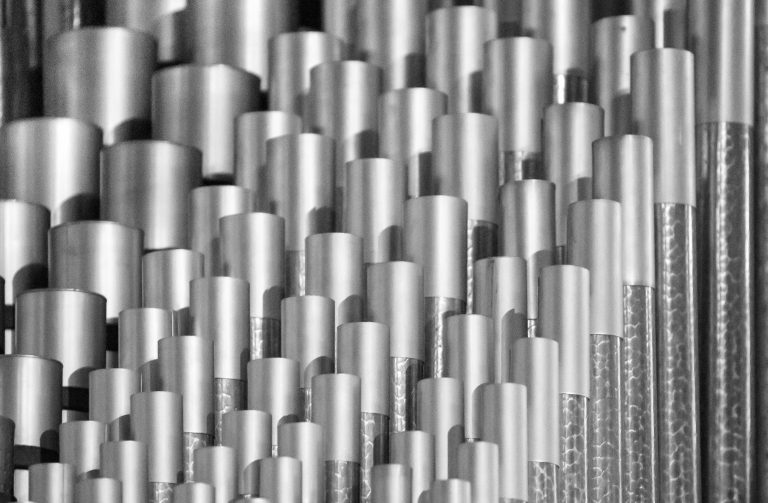
Zinc plating applies an external layer of zinc that protects and strengthens metals against corrosion and wear.
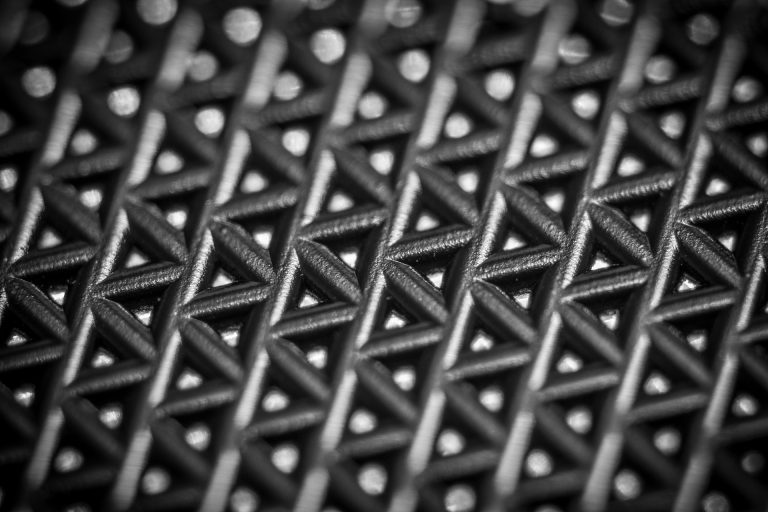
The importance of mechanical assembly in precision engineering calls for a specialised partner. Here’s why.
Precision engineering, through precise, custom components, plays an essential role in the pneumatics industry.