
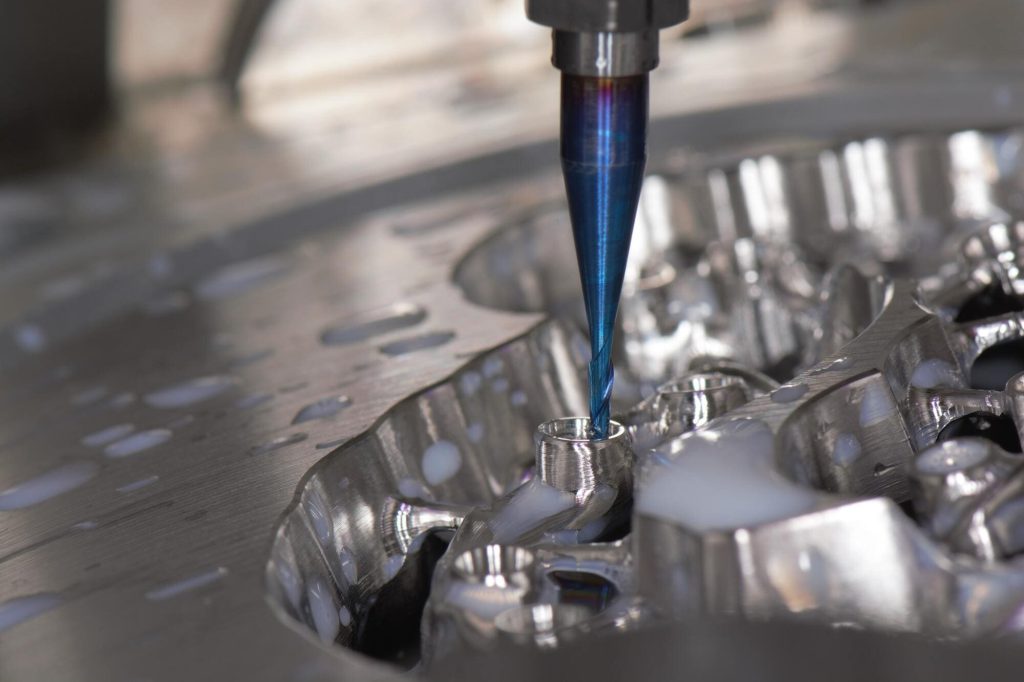
Precision engineering requires advanced technologies to produce quality components. Among them, CAD/CAM technology plays a fundamental role. In this article we explore the link between CAD/CAM technology and precision machining, explaining how it works and its impact on component quality.
The role of CAD/CAM technology in precision engineering
CAD/CAM technology, short for “Computer-Aided Design/Computer-Aided Manufacturing”, is a software system for designing and manufacturing components with the help of a computer. CAD software allows components to be designed in a digital environment, while CAM software provides production instructions to the machines used for machining.
In mechanical engineering, CAD/CAM technology makes it possible to produce custom, high-precision components, improving the quality of machining in demanding, specialised sectors. The CAD/CAM system gives the machines the essential instructions for producing a particular part. Managing the software well makes it possible to achieve the highest quality and optimise production times.
It is important to note that capturing data from a scan or model in CAD software allows instructions to be sent to the CAM computer, which in turn translates them into machine instructions. Component production is therefore software-assisted. However, sector knowledge and familiarity with the CAD/CAM system are essential to enter the right parameters and use the machines to their full potential.
In other words, CAD/CAM technology cannot achieve excellent results in precision and quality without sector experience behind it. With these solutions, it is possible to design and manufacture custom, high-precision components, optimising production times and improving the quality of machining.