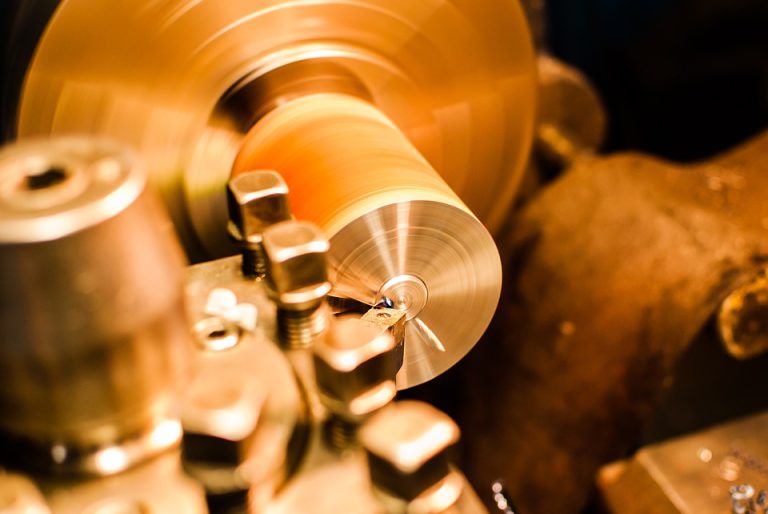
How precision turning delivers outstanding accuracy
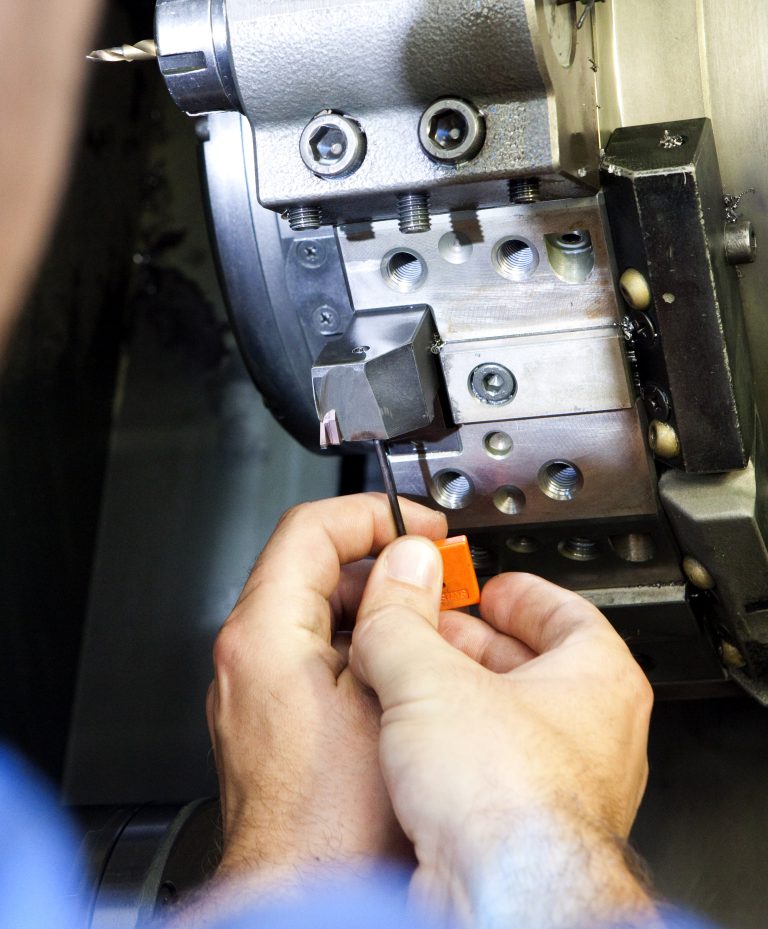
Precision turning is fundamental in the production of complex parts, using highly specialised machines to make precise cuts.

Precision turning is fundamental in the production of complex parts, using highly specialised machines to make precise cuts.

Metal anodising is an irreversible electrochemical process, also known as anodic oxidation, that creates a protective oxide layer on the metal surface.
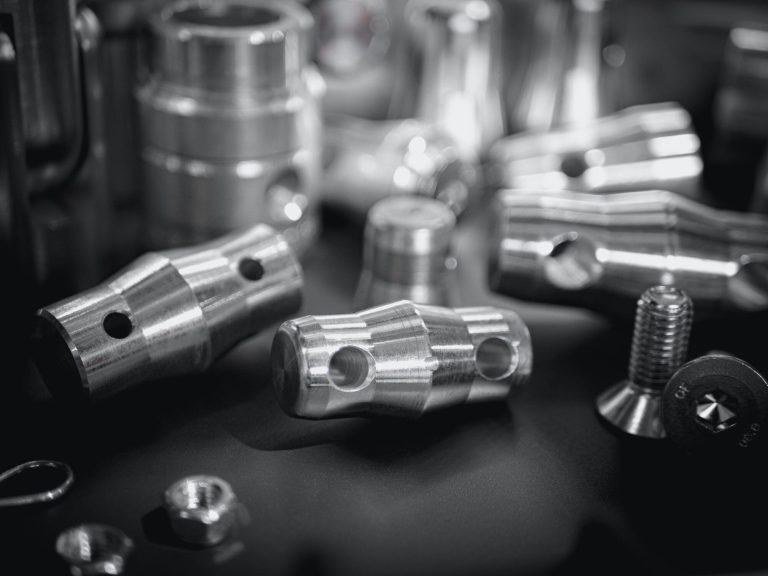
Aluminium alloys are among the most widely used materials in precision engineering for high-quality mechanical components.
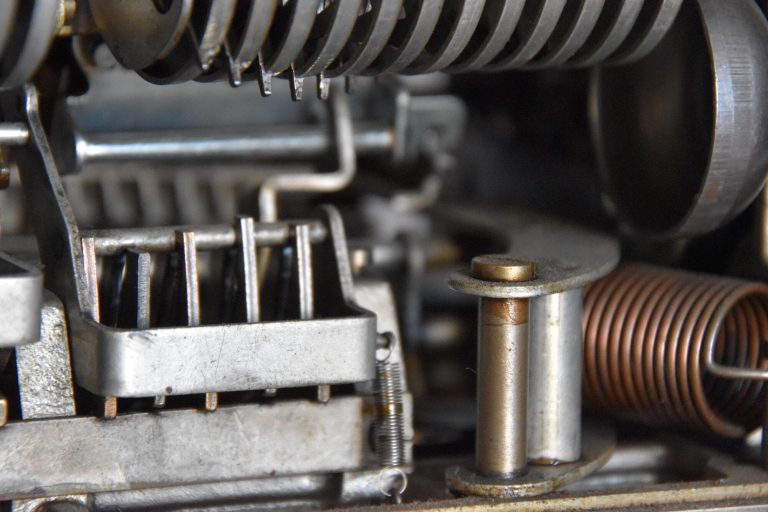
Precision engineering is essential for high-quality mechanical components in many industries, including hydraulics.
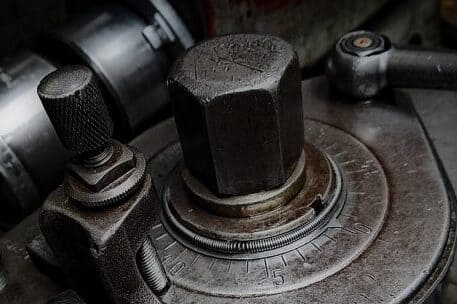
Carburising is widely used in metallurgy to increase the surface hardness of steel.

Agricultural mechanisation uses machinery and mechanical equipment to make farm production more efficient.
If you are looking for a reliable partner for subcontract precision machining, you are in the right place.
Plastics are among the most used materials in daily life, and they also have many technical and industrial applications.

Stainless steels are very important materials in precision machining. Let’s look at the most common grades.
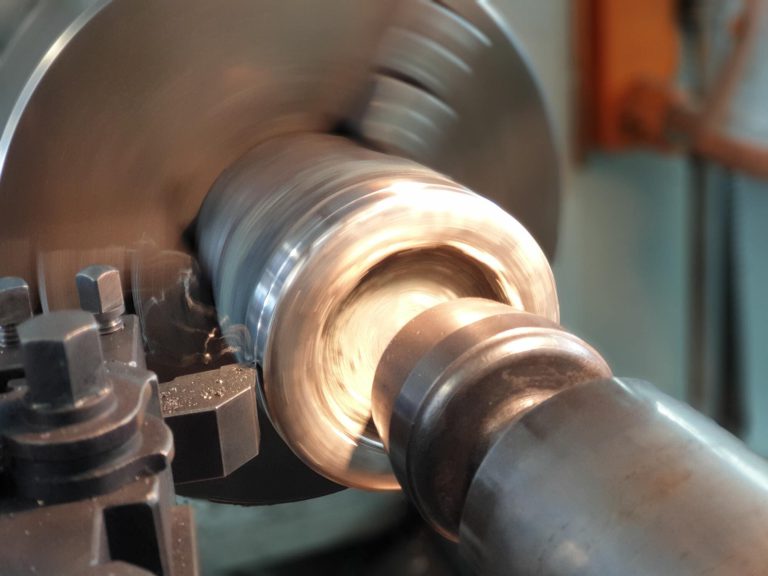
CNC lathes and conventional lathes share basic similarities, but the numerical control system makes them very different.