
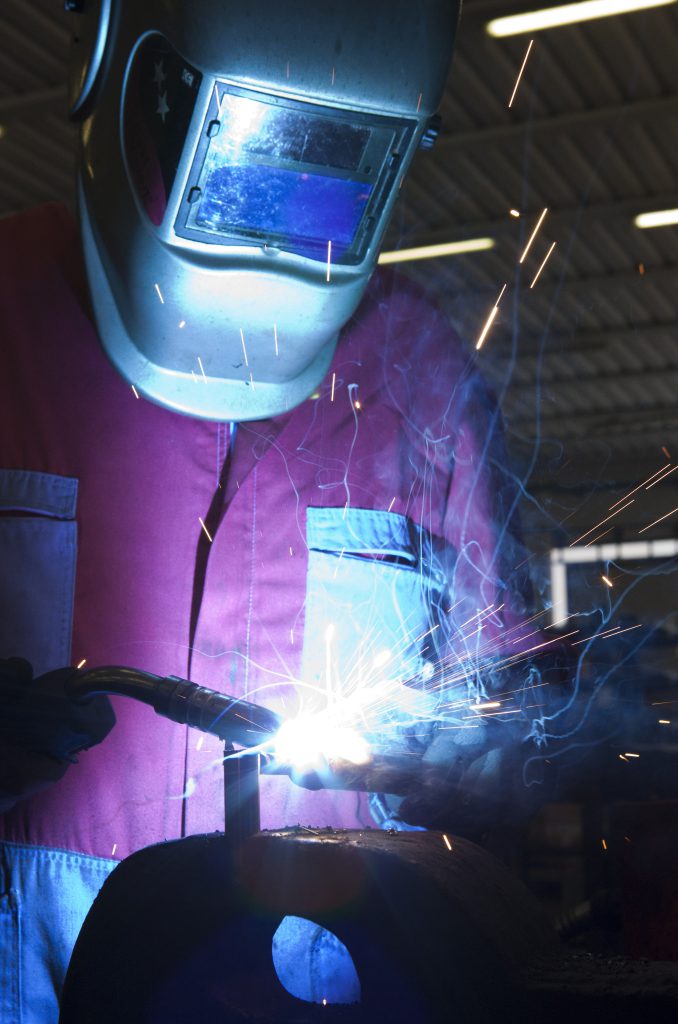
PTFE (Teflon) is now widely used for many purposes thanks to its resistance: not only for the classic non-stick coating on pots and pans that we all know, but also for seals, filters, valves and other protective parts that need to be anti-corrosive and non-stick.
Chemically, PTFE is a polymer called polytetrafluoroethylene, made of carbon and fluorine. In its raw form it is an odourless white powder that is insoluble even in chemical solvents. Machining PTFE on a lathe or a milling machine is not very difficult, but specific precautions are needed to avoid damaging the material or making mistakes that could compromise the final result.
Let’s see how to mill and turn PTFE correctly and safely.
Milling PTFE
To mill PTFE well, it is important to use very sharp tools. A wide range of speeds can be used, because PTFE withstands high temperatures, is non-flammable and does not conduct electricity. For finishing, it is better to avoid excessive cutting forces because, although resistant, PTFE is slightly compressible, so too much force could “press” on the part and change its shape.
Turning PTFE
The same applies on the lathe: as with milling, tools must be very sharp and have a positive rake. Watch out for chips, though: being very tough, they can become a hazard because they may jam the lathe or stick to your hands. To remove them, it is best to stop the lathe and do it safely.