
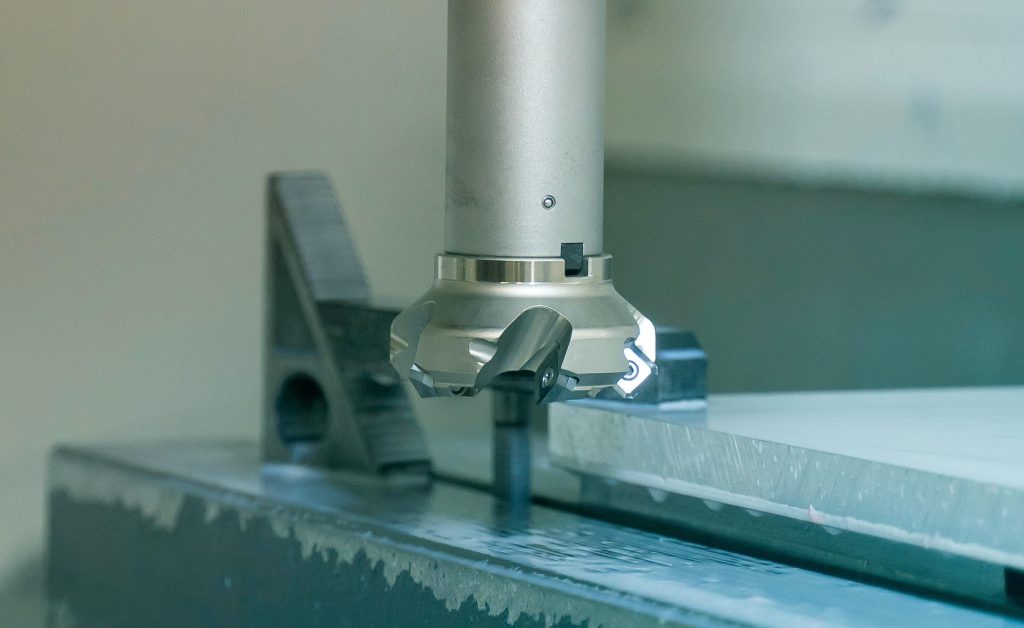
In precision engineering, CNC milling is a crucial factor in producing high-quality mechanical components. This advanced technology makes it possible to produce complex parts with extremely tight tolerances, ensuring precision and repeatability. Thanks to their flexibility and ability to machine many materials, CNC milling machines are indispensable for companies in precision engineering. In this article we explore the advantages and applications of CNC milling machines and the criteria for choosing the right machine.
Advantages of CNC milling
CNC milling machines offer many advantages over traditional methods. First of all is precision: CNC machines can work to extremely tight tolerances, ensuring maximum accuracy. Repeatability is another strength: once the machining parameters are set, the machine can produce series of identical parts with the same quality.
Process automation is another key aspect. CNC machines can operate autonomously, significantly reducing the need for human intervention and increasing productivity. This cuts machining times and labour costs while improving the quality of the final product.
Applications of CNC milling machines
Thanks to their versatility, CNC milling machines are used in many industries. In aerospace, for example, they are used to produce complex structural components that require high precision and strength. In the automotive sector, they produce high-precision mechanical components such as engine and transmission parts.
Another application is the production of moulds and dies, where the precision of CNC milling is essential for the quality of the finished products. In the medical sector, these machines are used for surgical instruments and prostheses that require extremely tight tolerances and flawless surfaces.