
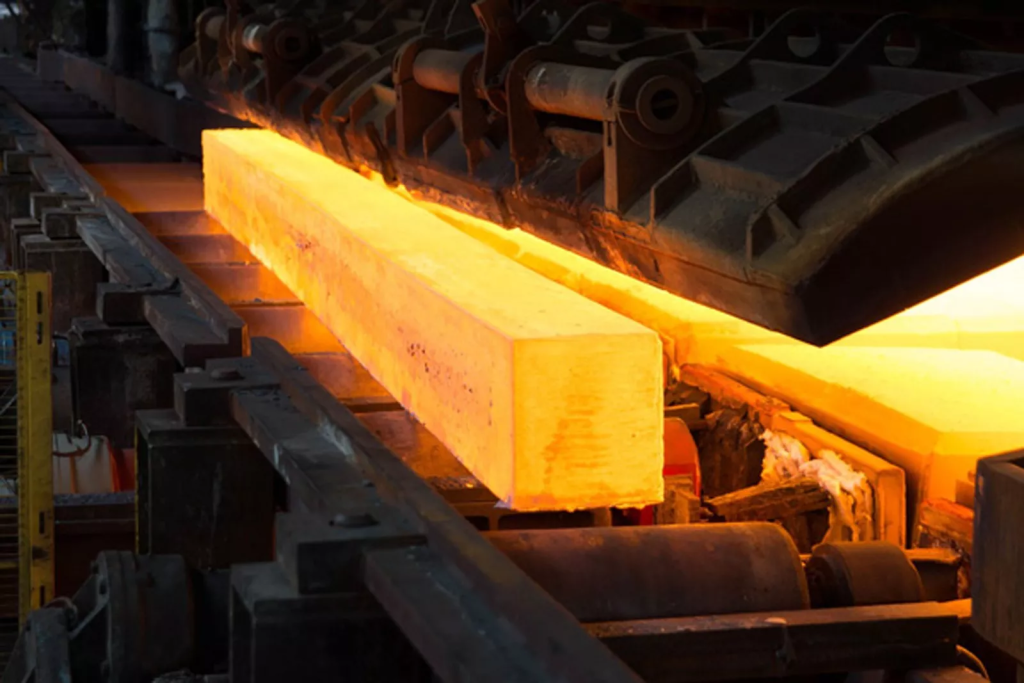
Annealing is a fundamental heat treatment in industrial processes that improves the mechanical and structural properties of metals. In this article we explore what annealing is, how it works and why it is an essential step in many machining processes.
What is annealing?
Annealing is a thermal process involving the controlled heating of a metal to a specific temperature, followed by slow cooling. This treatment changes the material’s microstructure, making it more ductile, less brittle and easier to machine.
What annealing is for
– Reducing the hardness of the material;
– Improving machinability;
– Removing residual stresses from previous processes;
– Making the metal’s structure uniform;
– Preparing the material for subsequent heat or mechanical treatments.
Types of annealing
There are several types of annealing, each applied according to the type of metal and the desired result:
– Full annealing;
– Partial annealing;
– Recrystallisation annealing;
– Isothermal annealing;
– Stress-relief annealing.
When is annealing needed?
Annealing is particularly useful after processes that create internal stresses in the material, such as rolling, forging or welding. It is also often used before cold-forming operations.
Annealing and the quality of the final product
A correctly annealed metal has better dimensional stability, greater uniformity and higher fracture resistance. This translates into a higher-quality finished product, easier machining and a longer service life.
Annealing is not just a technical step, but a strategic operation that ensures the quality and machinability of metals in industrial processes. Knowing when to apply it and choosing the right type can make the difference between a good product and an excellent one.
📞 Contact T.M.G. for information on heat treatments and solutions tailored to your production.