
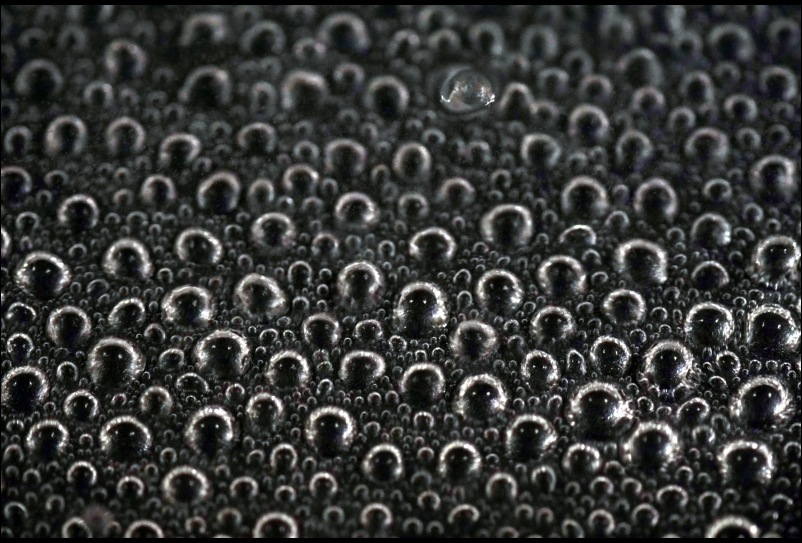
PTFE, better known as Teflon, is the non-stick coating par excellence – the same one that usually covers and protects the pans in our kitchens. It is a fairly modern synthetic material derived from fluorine and used to make materials more resistant and longer-lasting. It starts as a fine white powder and becomes a fully insulating protective film, ideal even for materials that wear quickly.
Because it withstands temperatures well above 300 °C, Teflon is used not only on cookware but also on filters, seals and valves, protecting them from the wear caused by time and constant use.
To work PTFE, however, you need what is usually called turning. Let’s see what it involves. Through PTFE turning the material is shaped precisely to the part it has to protect or replace, making it sturdier and more resistant – and therefore ready for use.
Imagine a pan without its Teflon layer: over time it would not only wear out, it could even become harmful. Thanks to Teflon, the material is protected and able to resist wear and the passing of time.
PTFE turning can be carried out on CNC (computer numerical control) machines: the software is told how many finished parts to produce, and the machine then carries out the rest of the work on its own until the final product is complete.