
Precision grinding is a process carried out on an already finished product. It follows finishing, but can be fairly expensive, so it is generally applied only in specific circumstances.
Grinding comes in various types: the difference usually lies in the type of machine used, but can also concern the surfaces to be worked or the direction the machine takes when working a material.
How many types of grinding are there?
There is cylindrical, surface, plunge, centreless, vertical and electrochemical grinding. The surfaces obtained can be cylindrical or conical, internal or external, flat, grooved or threaded. Most grinding machines are CNC, so machining can be set up on the machine’s computer, speeding up and simplifying times and methods.
The machine used for precision grinding is called a grinder: industrially, there are cylindrical, centreless and surface grinders. The machine’s speed is that of the grinding wheel, the “active” tool that allows the machine to work the material.
Precision grinding: applications and uses
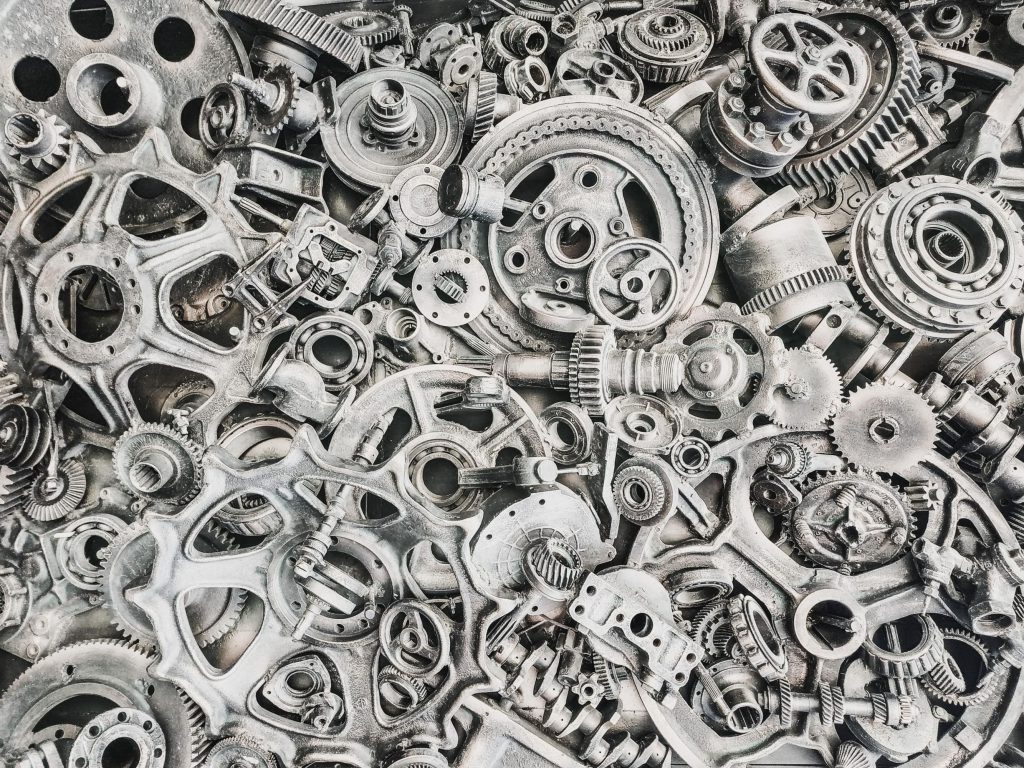
There are many applications for precision grinding: the most common include crankshafts, aerospace parts, gears and bearings, but also machine tool slideways, moulds, measuring instruments and any application requiring precise fits. T.M.G. offers grinding both in-house and through qualified partners: see our services.