
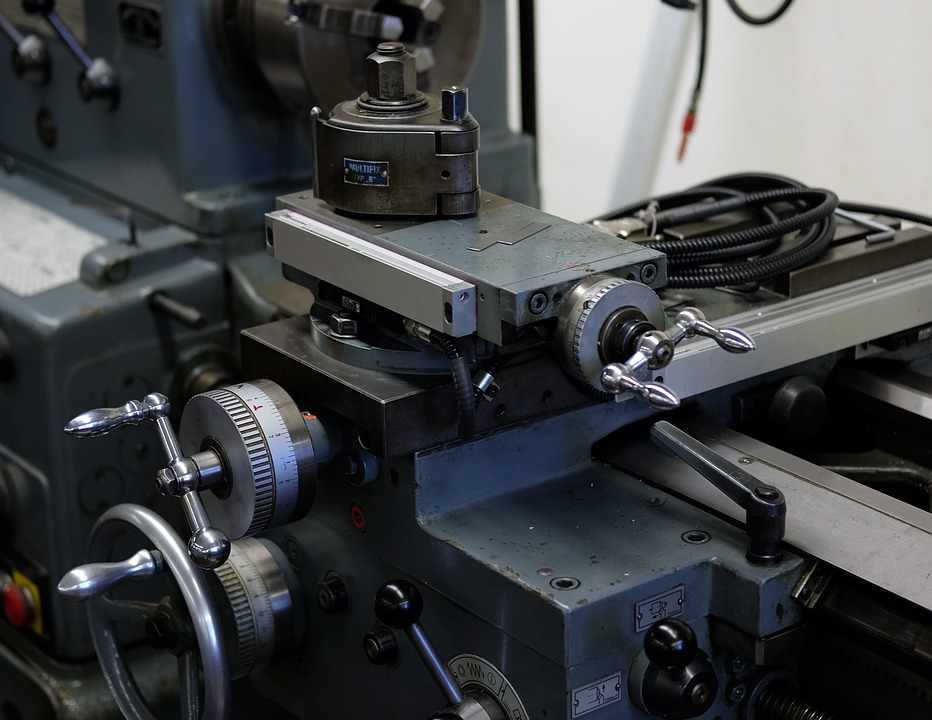
Mechanical component production requires skilled workers: depending on the type of machining and how it is done, production can be entrusted to a CNC technician or to a specialist in turning, milling and so on. In this article we focus on the professional lathe operator.
The lathe operator: what they do and how they work
The lathe operator is a skilled worker who handles turning, the type of metalworking carried out on a lathe. They have an in-depth knowledge of the lathe, how it works and all the tooling that can be used with it to obtain different machining operations and products. Since most lathes today are CNC machines, the lathe operator must also know the basics of programming, in order to set up the machine correctly, monitor it throughout the machining process, step in if anything goes wrong, make prototypes and assess the result through rigorous quality control of the finished part.
The lathe operator rarely works alone: in most cases they are supported by other workers who physically run the lathe and other equipment, so the role also involves training and supervising colleagues with different qualifications. Given the complexity of the job, a lathe operator needs a range of technical, IT and mechanical skills, as well as good manual dexterity and great precision in using the machines, to avoid problems caused by incorrect operation that could put workers’ safety at risk or cause defects in the products.