
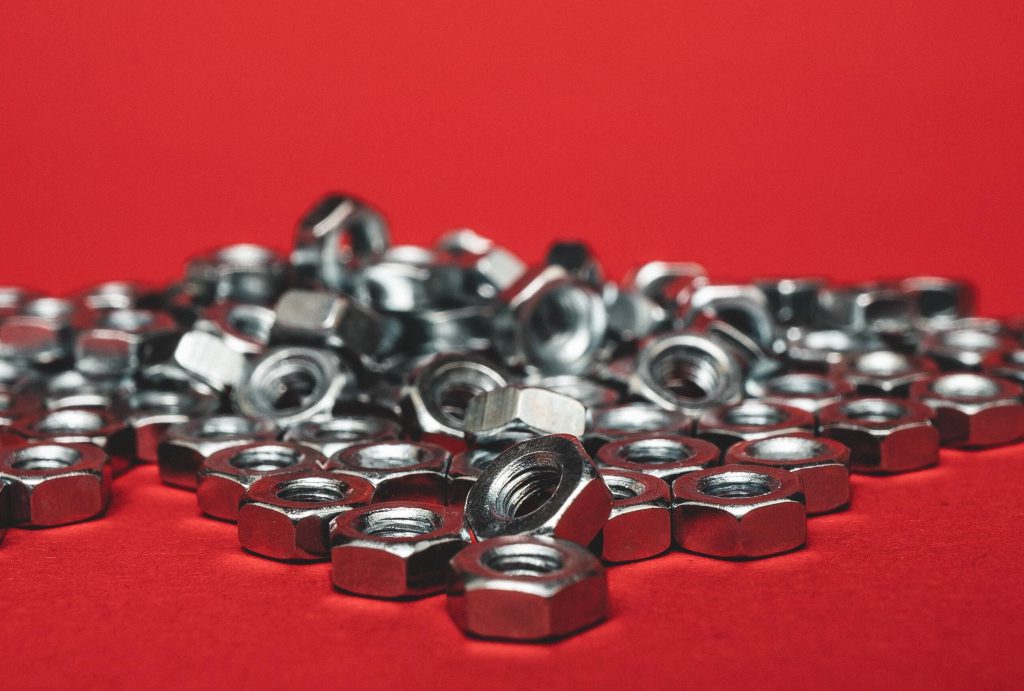
Precision turning is an industrial process that removes chips from the material to produce holes or drilled mechanical parts.
During machining, the tool moves in a straight line while the workpiece rotates. The machine’s tool penetrates the material to remove the excess, forming chips to be cleared away.
Turning: which machines to use?
Quality turning uses powerful, state-of-the-art machines that are constantly updated and able to meet every customer’s needs. One of the most widespread and widely used is the numerically controlled, or CNC, lathe.
CNC precision turning works on mechanical parts by sending an input to the machine’s computer, which records the exact number of parts to produce and carries out the turning in a short time without ever sacrificing precision.
Small precision parts
The resulting products are known as small precision parts: typically more or less complex cylindrical profiles on which operations such as facing, threading, parting off and grooving are carried out, all strictly on CNC machines.
Small precision parts can be made from many materials, such as stainless steels, iron alloys, brass, aluminium and bronze, as well as PVC and other plastic or synthetic materials. T.M.G. produces small parts from Ø 3 mm on sliding-headstock CNC lathes: see our machinery.