
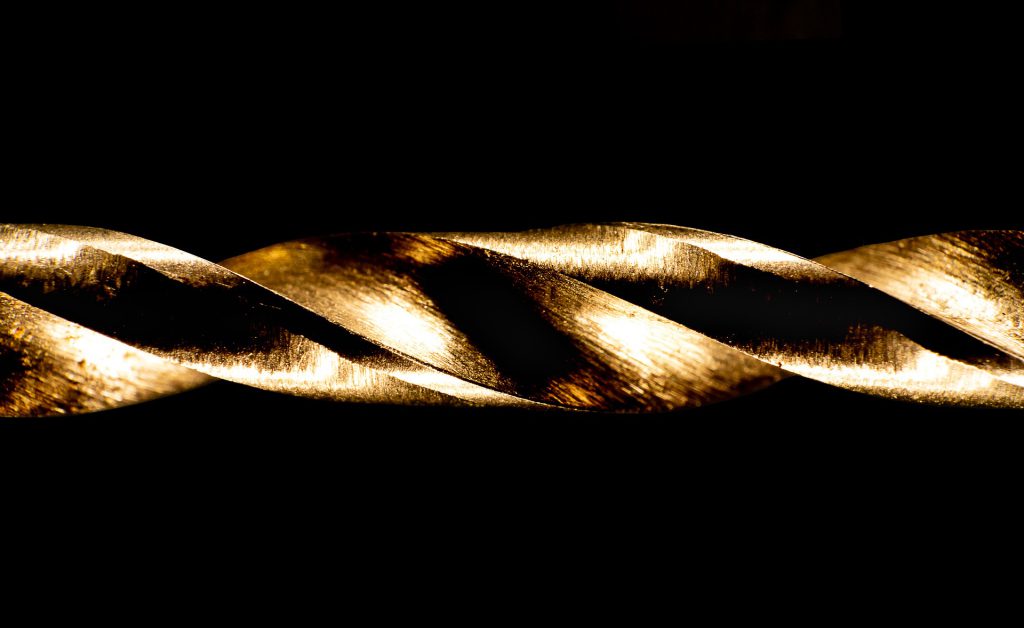
Among the best-known metalworking processes is turning, which removes chips from the workpiece while it rotates against a stationary cutting tool.
Turning usually has two main stages: roughing, which removes unwanted material coarsely, and finishing, which produces the final finish of the desired product.
Types of lathe for machining metals
The lathe, the machine used for turning, has been in use for a very long time and comes in many types: horizontal, vertical and CNC (numerically controlled) lathes. The type is chosen according to the work to be done. CNC turning, carried out on numerically controlled machining centres, can produce a potentially unlimited number of parts.
Turning costs vary, depending first of all on the volume of work. The type of material, the product’s end use and the finish required must also be considered. Generally, however, costs fall as the number of parts increases. CNC turning is therefore far more cost-effective than other methods, precisely because of the quantity it can produce in a very short time.
The lathe: which operations and which parameters
A lathe can carry out two types of operation. External operations include turning, facing, grooving, parting off and threading, while internal operations include drilling, reaming, boring and tapping.
Depending on the work, specific parameters can be set on the machine, which vary according to the material. They usually concern cutting speed, for example, but also depth of cut.