
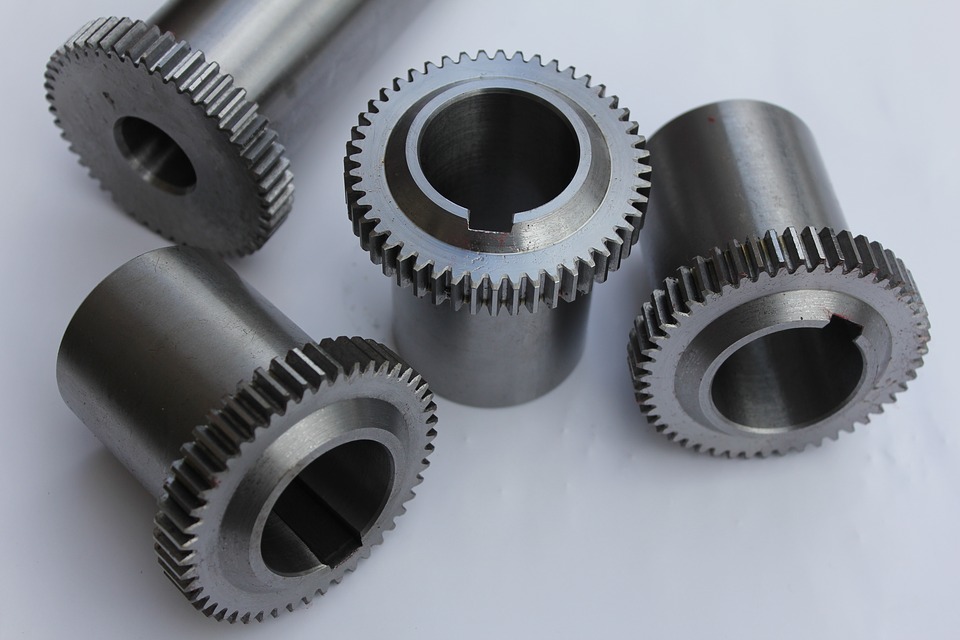
Precision engineering is the branch of mechanical engineering that produces mechanical components for many industries, as well as for the agricultural and medical sectors.
The tools used in precision engineering include, to name two of the best known, the milling machine and the lathe: cutting machines that “sculpt” many materials, from steel and aluminium to plastics such as PTFE, giving shape to the part to be made.
Precision engineering has recently evolved thanks to numerically controlled machines, known as CNC (Computer Numerical Control). CNC engineering, named after these machines, uses the same tools as traditional engineering, with the difference that, thanks to technological progress, they are now controlled by computer software that raises the precision of machining to the thousandth of a millimetre.
CNC precision engineering: how it works
These CNC machines can produce practically perfect parts and components: programming and controlling the machine is the job of a specialised technician, who programs it according to the specific parameters of the 3D model of the part, starts the machining and checks that it runs smoothly.
CNC machines reproduce the part faithfully and, being equipped with sensors, can also detect and flag machining anomalies that require human intervention, so the process can be corrected while it is running.
These features make them very well suited to large-scale production of precision mechanical components, because they allow the production process to be automated while keeping costs down.