
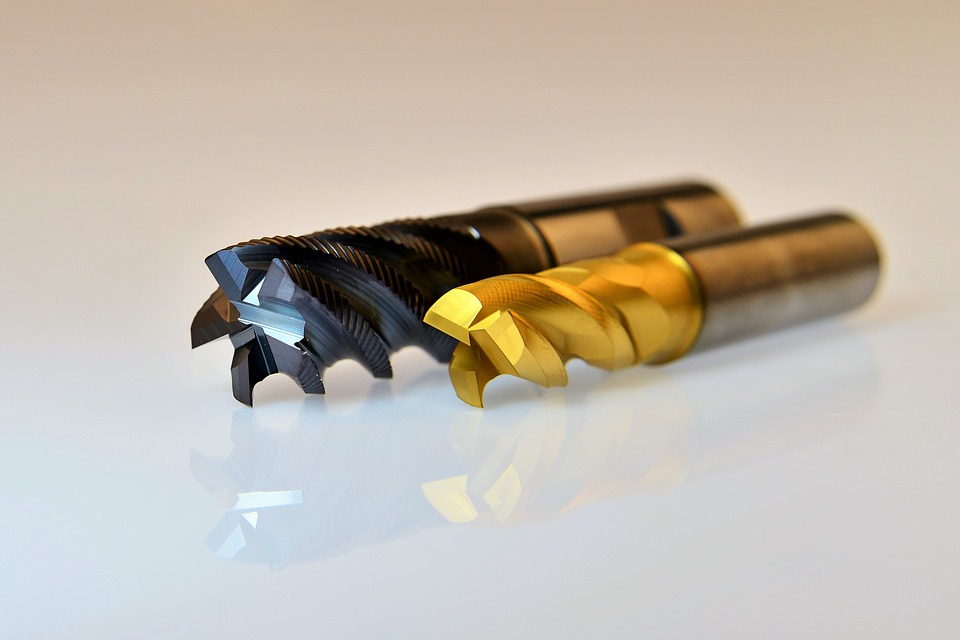
What do we mean by CNC machines? And how do they work? Essentially, they are a particular form of precision machining built on classic machines such as lathes and milling machines, to which computerised control is added to create shapes and add detail to the material being machined (mostly metal).
CNC machining is carried out through milling and turning, which cut the metal to the dimensions set by the internal program with great precision. Machines with numerical control have built-in software on which the job is set up; people have the important task of making sure everything runs smoothly and stepping in when errors occur.
Let’s look briefly at how the two main CNC operations work.
Mechanical component production: turning and milling
Let’s start with CNC milling: a machining process carried out on a CNC mill, which controls the speed, position and feed rate at which the machine cuts the material, removing the excess. This process can produce valves, pulleys, fasteners and much more.
Turning, on the other hand, is carried out on automatic CNC lathes: the lathe operator sets up the machines and chooses the tools and devices needed for the operations to be performed. The same person also checks that the program they have set up on the CNC machine runs as intended. The main purpose of this process is the production of precision mechanical components.