
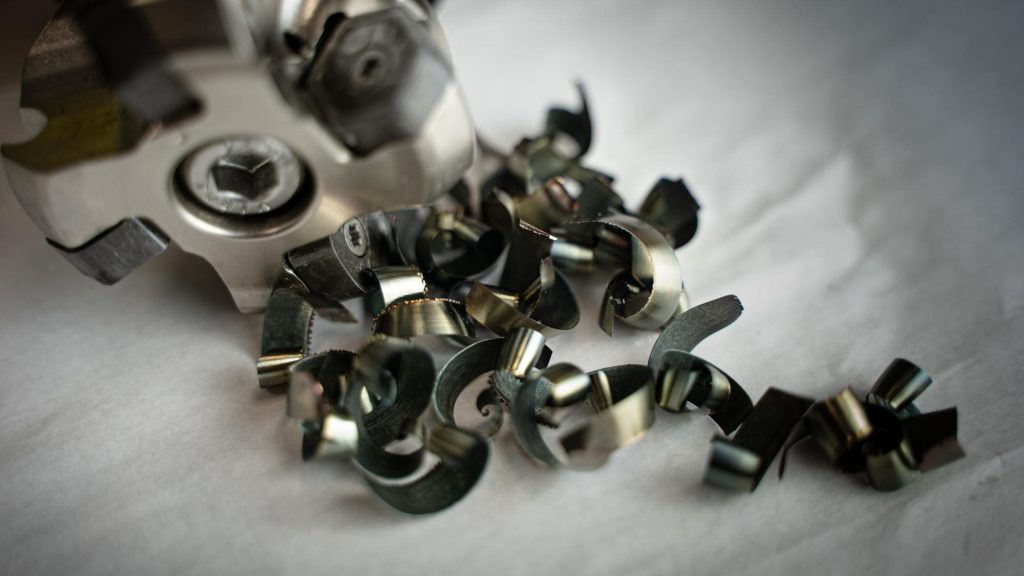
CNC (computer numerical control), or simply CNC, is the automated, computer-based control of machining tools such as drills, milling machines and lathes, as well as 3D printers.
A machine equipped with CNC processes a piece of material, whether metal, plastic, wood, ceramic or composite, to meet specifications by following a coded, programmed instruction. This happens without a manual operator directly controlling the machining.
CNC machine instructions
A CNC machine is a motorised tool or platform controlled by a computer following instructions provided as a sequential program.
The program can be written by a person or, more commonly, generated by CAD or CAM software. With 3D printers, for example, the part to be printed is “sliced” before the instructions (or program) are generated.
Advantages of CNC machines
A CNC machine has many advantages over a non-computerised machine that must be controlled manually. CNC machines use higher levels of automation and reduce possible errors, increasing productivity and cost-effectiveness across production.
The main advantages of CNC machines are:
- Productivity;
- Consistency;
- Cost-effectiveness;
- Safety;
- Versatility.
Manufacturing relies heavily on CNC machining, including operations that once used engineer-operated equipment. The many advantages of the CNC machine mean that in some cases operator-run equipment has been replaced entirely. Manufacturers in many sectors choose CNC machining for their fabrication and production applications. It provides efficient, cost-effective and precise production capacity, ideal for large quantities of items normally produced on milling machines, grinders, centre lathes, vertical mills or shapers.