
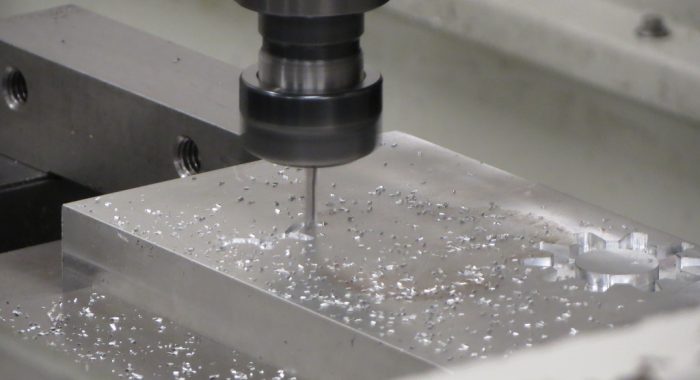
CNC machines are now the most widely used machines in precision engineering, because computer control allows them to deliver very high-precision machining.
But what exactly is a CNC machine, and what kinds of machining can it be used for? Let’s find out in this article!
What CNC machines are
CNC (Computer Numerical Control) machines are, as the acronym suggests, numerically controlled machines: they are driven by computer software that, once programmed by a specialised technician, can “move” the machine with extremely high precision, achieving perfect machining in much less time than traditional machines.
That is why CNC machines have largely replaced traditional machines and are now widely used for many types of industrial machining.
CNC machines: the most common operations
The most requested and most common operations on CNC machines are milling, turning and drilling: with precision down to a thousandth of a millimetre, these machines can produce even small mechanical components with a very low margin of error.
These are not the only operations that can be carried out on numerically controlled machines: CNC technology is also widely used for precision laser cutting and plasma cutting, as well as on waterjet machines and hot-wire cutting machines.
The operations these machines can carry out range from marking and cutting to welding, shaping and measuring, which is why CNC technology is used in so many sectors, from industry to woodworking, as well as tailoring, upholstery, packaging and materials handling.