
When we think of Industry 4.0, we think of the wonders of automation and the interconnection of key production processes. The history of technology runs parallel to the history of automation: capital has gradually replaced human labour with means that either increased people’s working capacity or replaced them, first with mechanical systems, then electromechanical, then mechatronic and IT systems. At the same time, the workforce that was freed up partly moved into new roles requiring more qualified staff, such as the designers of the automation systems being developed.
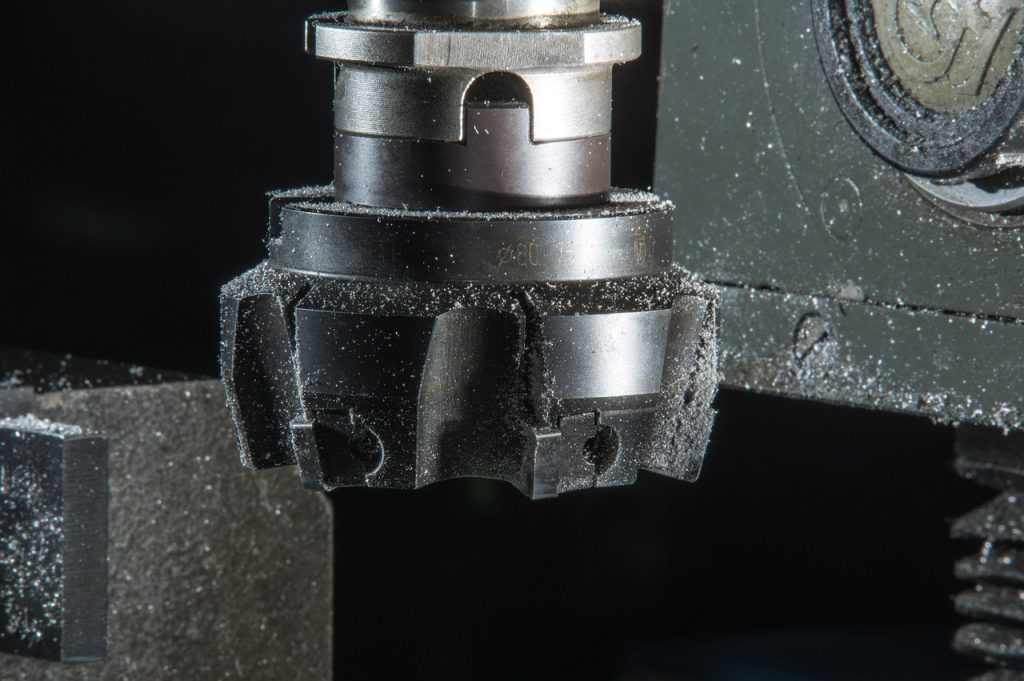
Precision engineering is at the centre of these developments, ready to exploit the major improvements brought by digitalisation and so optimise time and financial resources. It is a constantly evolving sector, for small and medium-sized companies and industry leaders alike, aiming to combine speed, precision and connectivity. Recently, particularly in the last few years, a range of automation, new technologies and CNC machines have transformed production methods. CNC machines are the most widely used in precision engineering, with a computer and dedicated software coordinating their functions and movements. Yet despite their high degree of autonomy, human supervision remains essential. Properly trained technical staff ensure the high level of precision in the finished product.
The message is this: humanity’s future does not “happen” automatically like an inevitable weather event; it is determined by what humanity decides about itself and its intellectual and technological achievements. Today more than ever, exponential technological developments make ever greater progress possible in ever shorter times. If this is what technology and the economy are contributing, then civil society and politics must also play their part, defining a vision that keeps people at the centre of development, not as a slogan or a vague hope for fine weather, but as a work programme, a clear vision and an inspiration for a future suited to the needs of the individual.