
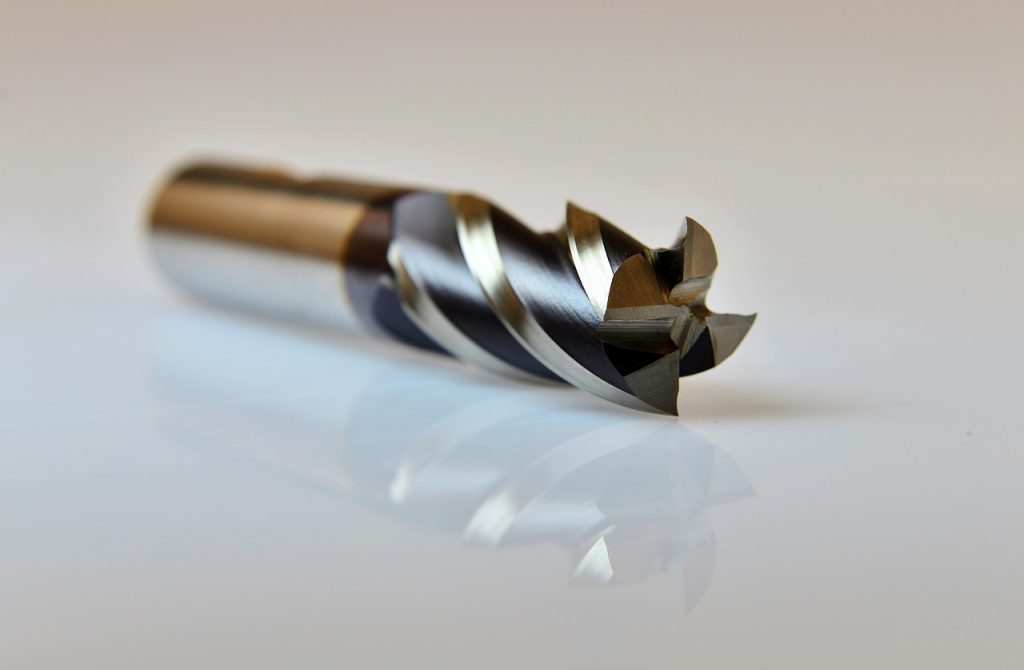
CNC machines use electronic and IT technology to produce high-precision mechanical parts. This machining system works completely autonomously, with high standards of precision and process repeatability.
One example is the systems used for CNC milling, where the operator enters instructions into the computer controlling the machine. These codes allow the mechanism to define the part’s geometry and the machine’s path, leaving the machine to work entirely on its own. The operator simply supervises and only intervenes in the rare event of a fault. The result of a CNC machine‘s work is a part accurate to one micron.
CNC machines: milling
One of the typical operations of CNC machines is milling, carried out in a modern CNC machining centre. However, the modern CNC machine can carry out several machining operations on the same part. These machines have several axes of motion and are fitted with all kinds of tools. As well as milling, a CNC system can perform drilling, boring, turning and tapping.
A multi-axis CNC machining centre can also tilt the spindle and combine its rotation axis with the table axis. The result is high-precision mechanical parts with complex geometries. For these advantages, CNC machines are used in every production sector and achieve precision machining thanks to the latest machinery.