
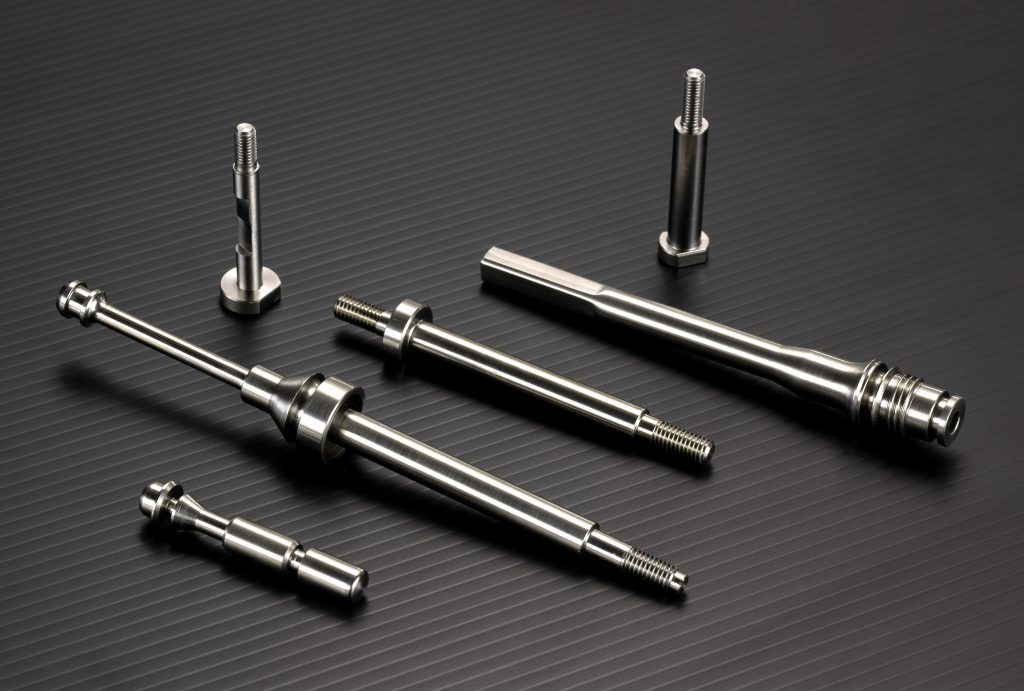
Aluminium CNC machining is a type of precision machining that uses CNC (numerically controlled) machines to produce a finished part through an automated process that removes material from a solid block.
It is increasingly in demand for aluminium components because, being controlled by a computer program that drives motorised tools, it achieves maximum precision in both milling and turning, with very short lead times.
Let’s look at the difference between CNC milling and turning and what each is used for.
CNC milling and turning of aluminium
Milling and turning differ mainly in the tools used, the machining process and the type of parts they can produce. Milling uses rotating cutting tools called milling cutters which, moving along multiple axes – usually from 3 to 5 – remove material from a solid block from which the part is shaped, while the workpiece is held on the machine table.
Milling has a roughing stage and a finishing stage, the latter being very important for defining the part. Thanks to its very high precision, down to a micron, CNC milling can produce engravings and sculpted shapes and is used to make many kinds of components across different industries.
Turning, on the other hand, is a process in which the workpiece rotates while the cutting tool removes material, creating cylindrical shapes as well as bores, recesses and grooves.
Both CNC milling and turning allow maximum precision even on very complex geometries, thanks to a computerised control system that automatically “maps” the tool path.