
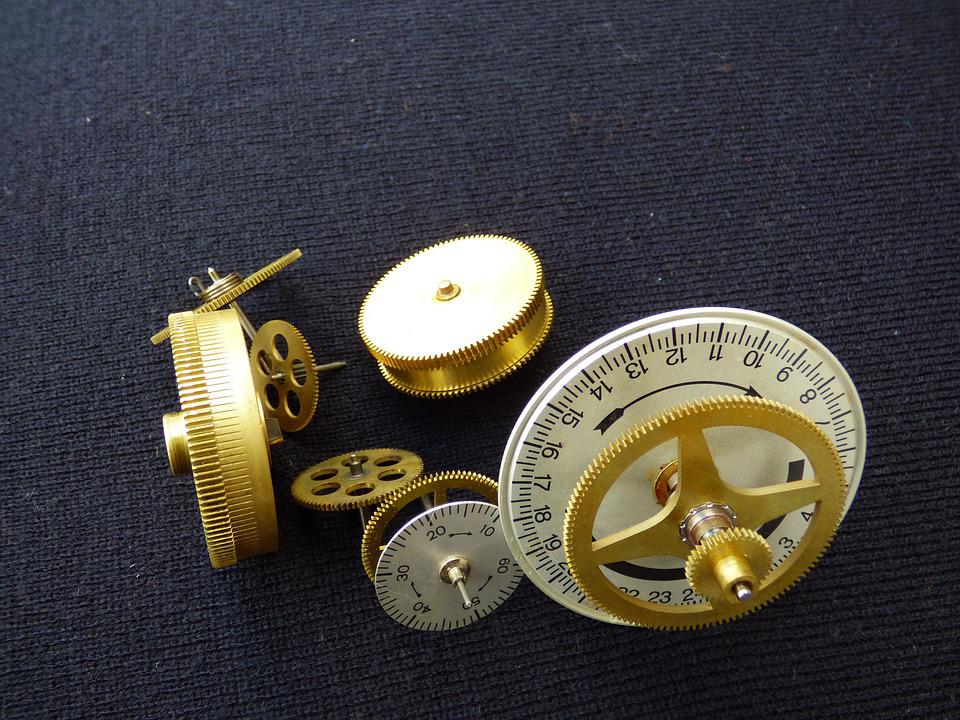
Producing precision mechanical parts also involves materials other than steel, such as bronze. What are bronze mechanical parts used for?
When it comes to high-precision mechanical components, attention tends to focus on steel and aluminium, but other materials adapt better to certain contexts. Steel is not always the best choice in terms of strength and appearance. For example, as well as brass, precision parts production uses bronze, both B14 CuSn12 and 85.5.5.5.
Why choose bronze mechanical parts?
What makes bronze mechanical parts unique are the properties of the alloy of copper, aluminium and other metals known as bronze. This composition creates a ductile material that is particularly resistant to both wear and corrosion, making it an opportunity for industrial engineering.
Adding more aluminium produces a bronze lighter than steel, while changing the percentage of iron and silicon gives a different magnetic permeability. Its flexible, exceptional mechanical properties make bronze perfect for gears, valves, bearings and similar applications.
Producing bronze mechanical parts
Specialists in the design and production of precision mechanical components use their knowledge and the latest technology to produce parts in materials other than steel. Whether from a customer’s drawing or a design developed from a need, producing bronze mechanical parts requires care, experience and precision. Just like brass, bronze tends to produce rather long, stringy chips when machined.
For this reason, as well as using a machine with a limited number of cutting edges, it is essential to remove swarf faster than it is produced, as the machine can genuinely jam. Bronze mechanical parts then undergo a surface treatment chosen according to the technical properties required by the project. Some examples? Blackening, phosphating and pickling.