
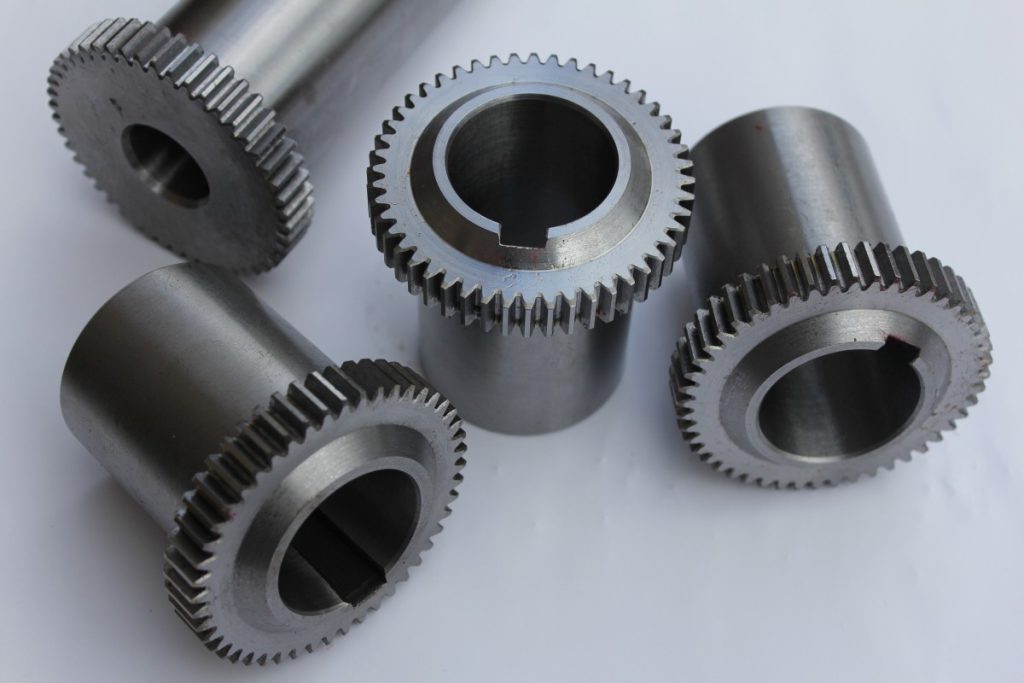
CNC machines (Computer Numerical Control) are machines controlled by a built-in electronic device programmed, through specialised software, with a series of preset operations.
CNC stands for Computer Numerical Control: the machines are automated and programmed in advance with a specific program that sets, from the start, the operations to be performed.
Because of this, CNC machines are perfect for high-precision machining in very short times, but it is also very important that they are supervised by an experienced, specialised operator – not so much to manage routine operations as to deal with anything unexpected. Unexpected events can clearly happen, especially on automated machines, so it is important to have an operator, a technician, overseeing the machine so they can act in time and limit any damage.
Precision machining, as we said. CNC machines for aluminium work very well for filing, chamfering, hardening and strengthening materials, and are used above all to make everyday products, from mechanical components to furniture parts. Not just aluminium: CNC machines also work well with wood, plastics, iron and polystyrene. The most common CNC machines include drilling machines, lathes and milling machines.