
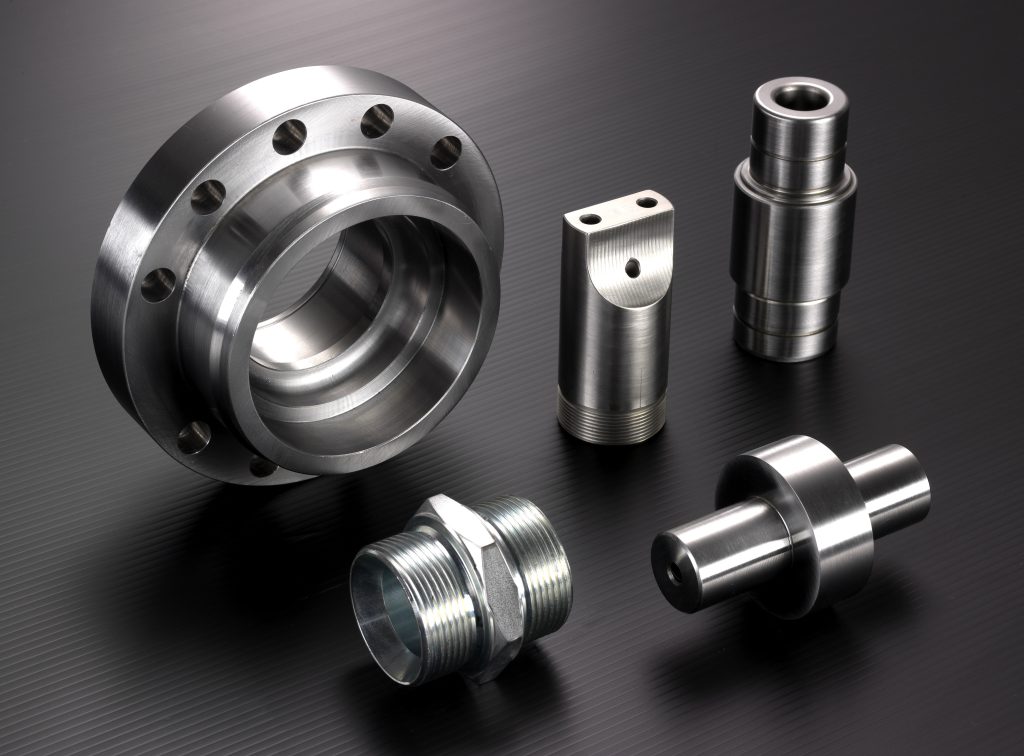
Metal treatment is a series of processes designed to make these materials more resistant. Once their properties have been enhanced and their ability to resist corrosion and weathering improved, they are ready to be turned into the final product.
The benefits
Before materials are made into mechanical parts such as pins or bolts, they undergo treatments that bring a number of benefits. The metals improve in terms of durability, strength and appearance.
Different types of metal treatment
A precision machine shop can use:
- Hardening
- Quenching and tempering
- Carburising
- Carbonitriding
- Surface treatments
Hardening is a heat treatment that, through high temperatures followed by rapid cooling, gives the material greater strength and considerable hardness (hardened steel). When it is followed by a second heat treatment called tempering, the result is quenching and tempering, which increases toughness without sacrificing too much hardness, so the mechanical parts last a long time.
Manufacturers of mechanical parts can also use carburising, a heat treatment that introduces carbon atoms into the metal to make it more resistant and suitable for long-lasting applications. Carbonitriding is a heat treatment widely used on low-carbon steel to increase its strength and hardness. Other surface treatments include zinc plating, hydrogen de-embrittlement and anodising, which protect the steel, increase its resistance and serve aesthetic as well as practical purposes.