
Aluminium is a light metal that combines easily with other elements to form alloys. When exposed to oxygen, aluminium forms a thin layer of aluminium oxide that protects it from corrosion and gives a degree of resistance to wear. Aluminium also has high electrical and thermal conductivity, making it a good material for heat sinks and electrical conductors in many applications.
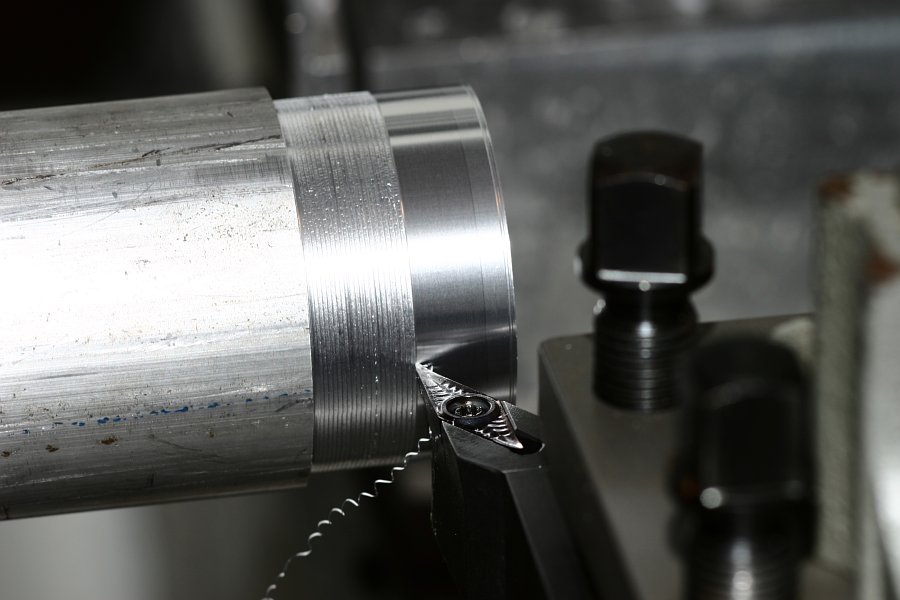
Several factors need to be considered in aluminium CNC machining. Because it is relatively soft, high cutting speeds should be used to avoid tearing or damage of any kind. Cuts in aluminium can be deeper than in stainless steel, and they should be deep enough to prevent the tool from rubbing on the surface.
Always use sharp tools and replace them at the first signs of wear. When machining aluminium, keep the cutting speed high and consistent. Because of the constant friction, lubrication is important to cool the surface and prevent material sticking to the tool as cutting continues.
Aluminium CNC machining is used for products that require lightweight materials. Examples include:
- Aerospace equipment;
- Household appliances, especially those that rely on thermal or electrical conductivity;
- Electrical components and housings.