
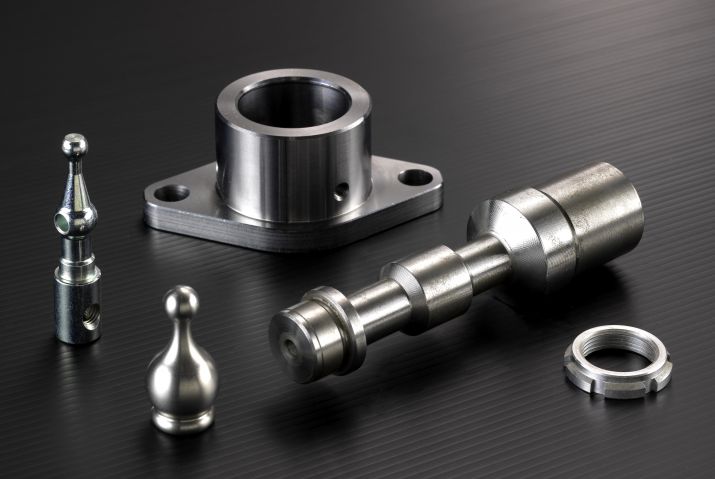
Mechanical zinc plating is a process that takes place in a rotating drum, similar to a cement mixer, in which the parts are tumbled together with a variable percentage of zinc powder at high temperature, so that the zinc diffuses thermally and coats the part with an anti-corrosion layer.
The difference from electrolytic zinc plating lies first of all in the process itself: electrolytic plating does not use high temperatures; instead, the parts are immersed in an electrolytic solution containing zinc salts. The zinc is transferred to the surface to be plated by an electric current, which allows it to deposit on the material.
Mechanical or electrolytic zinc plating?
As we have seen, the two processes work differently. One reason mechanical zinc plating is advantageous, especially in industrial production, is that it allows mass production with good value for money and considerable savings when large quantities of parts need plating.
The second reason mechanical zinc plating outperforms electrolytic plating is that it produces a much more resistant anti-corrosion coating, because it works through thermal diffusion of the zinc rather than electrolysis.
Thanks to the heat, the zinc adheres better to the surface of the parts and is free from hydrogen embrittlement problems, which electrolytic plating cannot guarantee.