
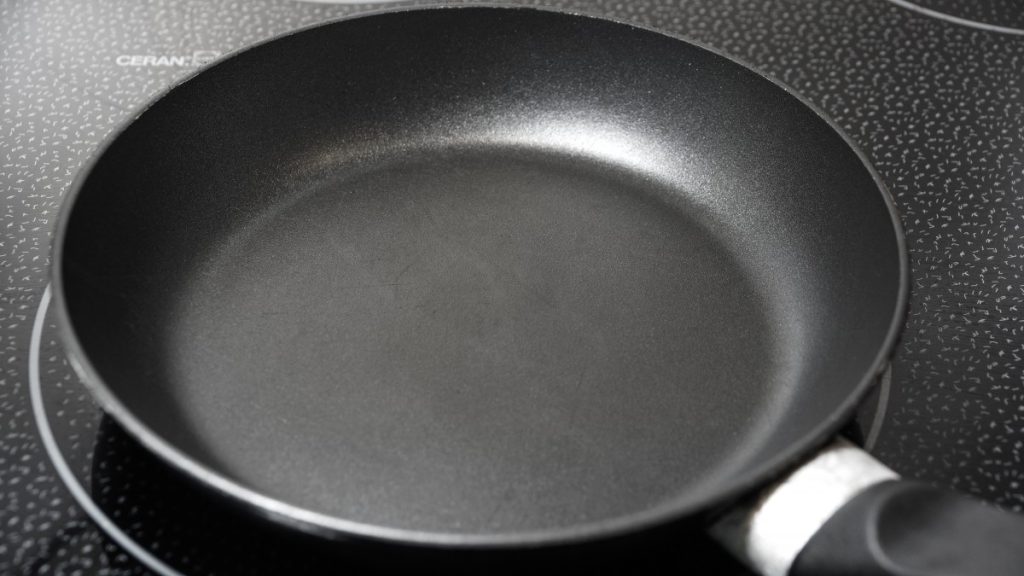
The non-stick pans that almost all of us have at home – practical and extremely useful – have a coating made of a fluorine-based compound. This is just one of the possible uses of PTFE (Teflon): the more layers on the metal, and the thicker they are, the more resistant the pan becomes, and the easier it is to clean.
PTFE is a compound with excellent resistance to chemicals; it is non-flammable, does not conduct electricity, resists ageing very well and has a low coefficient of friction. These properties make it a widely used material in many other applications too.
PTFE turning
Many plastics (such as nylon, PTFE and PVC) are suitable for industrial production on machine tools, just like metals. By machining plastic semi-finished stock, a precision machine shop can produce mechanical parts such as pins, rings and bushings.
A certified turning shop can therefore use the same tools normally used for metals for PTFE turning. During machining it is advisable to use coolants, lubricated drills should be used, and for deep holes the tool should be withdrawn frequently to clear chips and improve cooling.
Laser processing
Another interesting aspect is laser processing of PTFE, which is highly compatible thanks to its high melting temperature and lack of cross-linking. Laser processing can change the shape of a material, and in the case of PTFE, laser cutting, engraving and marking all work well.