
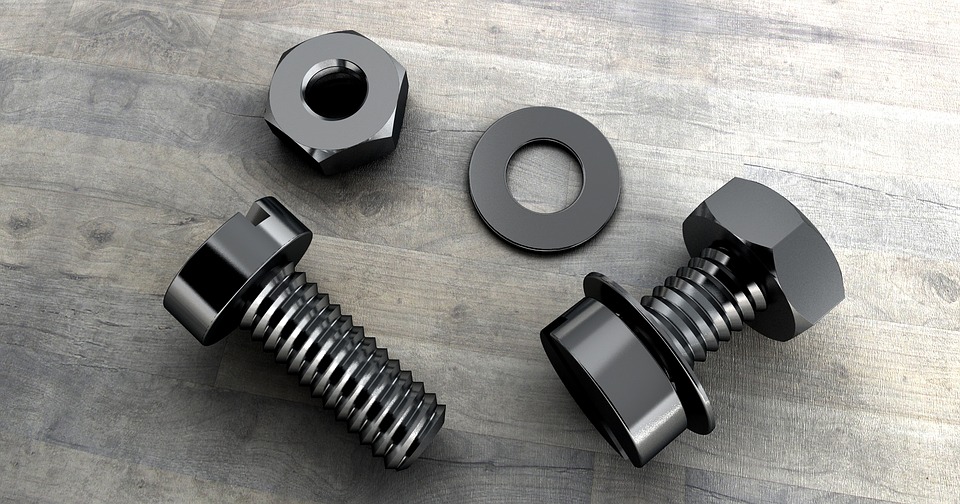
Some processes change the appearance and certain properties of metals, making them suitable for particular uses. One of these is metal blackening. But what does blackening mean?
Chemical treatments on metals and alloys change certain properties of the materials to meet specific needs. Blackening (black oxide) gives the treated metal surface a permanent, attractive colour. And that’s not all.
What is blackening and what is it for?
Blackening is a chemical treatment that improves the appearance of metal while also providing protection against oxidation and corrosion and good anti-stick properties. It is usually applied to iron, steel, aluminium and brass, which take on a glossy blue-black colour.
The protection against oxidation and corrosion, the anti-stick properties and the characteristic colour come without any change in thickness or shape.
How is metal blackening done?
Metal blackening can be carried out by different methods requiring specific equipment and proven experience: hot blackening and cold blackening.
In hot blackening, the metal is immersed in a tank of boiling water and various substances (e.g. sodium thiosulphate and copper sulphate) at high temperatures (about 100–145°C). How long does blackening take? The material stays in the tank until it reaches the desired colour, then is removed from the solution and left to cool. The type and amount of substances added to the water can be adjusted according to the metal and the desired result (from blue to black).
In cold blackening, the metal undergoes surface oxidation that darkens it evenly. It is a more environmentally friendly technique. In both cases, the metal is then washed to remove any residues and imperfections.