
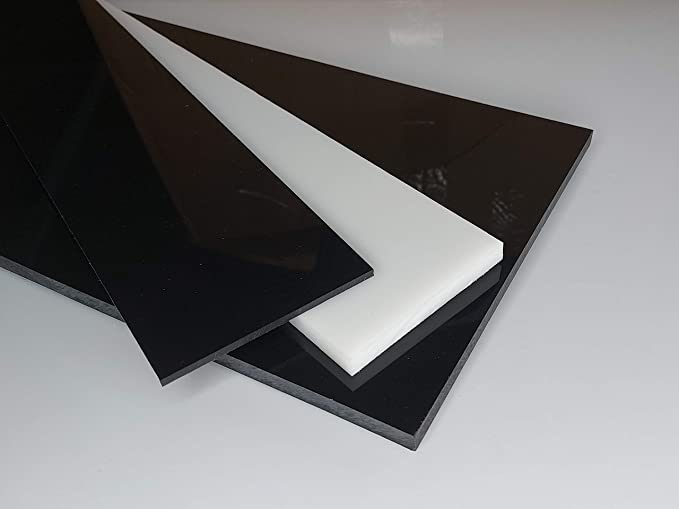
The materials used in precision machining each perform specific functions and contribute to a project. Let’s look at Delrin POM-C.
Turning and milling on CNC machines turn plastics into precision parts. Machining plastics such as Delrin POM-C can produce parts with exceptional mechanical properties.
What kind of material is Delrin POM-C?
Delrin POM-C is the trade name of acetal resin, a thermoplastic particularly valued in precision machining. It has excellent mechanical properties, notably tensile strength, compressive strength and high hardness.
What is the difference between Delrin and nylon? Acetal resin feels slightly more “slippery” than nylon (though less than Teflon). What makes the difference between parts in Delrin POM-C is the technology used and the experience of the company producing the precision components.
Only with advanced machinery, expertise and many years of experience can precise acetal resin parts that match the drawing be guaranteed.
When to use Delrin POM-C
Delrin POM-C has an exceptional technical data sheet that makes it suitable for gear wheels, threaded holes, levers, rollers, tape guides, bearings and similar components.
The properties of these parts meet the demands of their end use: they will be subject to tension, sliding, impact and wear. Moreover, because it does not absorb water, maintains mechanical stability and ensures dimensional accuracy, acetal resin can be used where water at 70–80 degrees is present (e.g. the food sector).
This thermoplastic is extremely machinable, allowing an excellent surface finish and milling, turning, cutting, shaping and threading.
Where is acetal resin used?
As you might expect, many very different sectors exploit the properties and advantages of acetal resin, or Delrin POM-C.
It is used in particular in industrial automation, the food sector and in medical, chemical and pharmaceutical environments.