
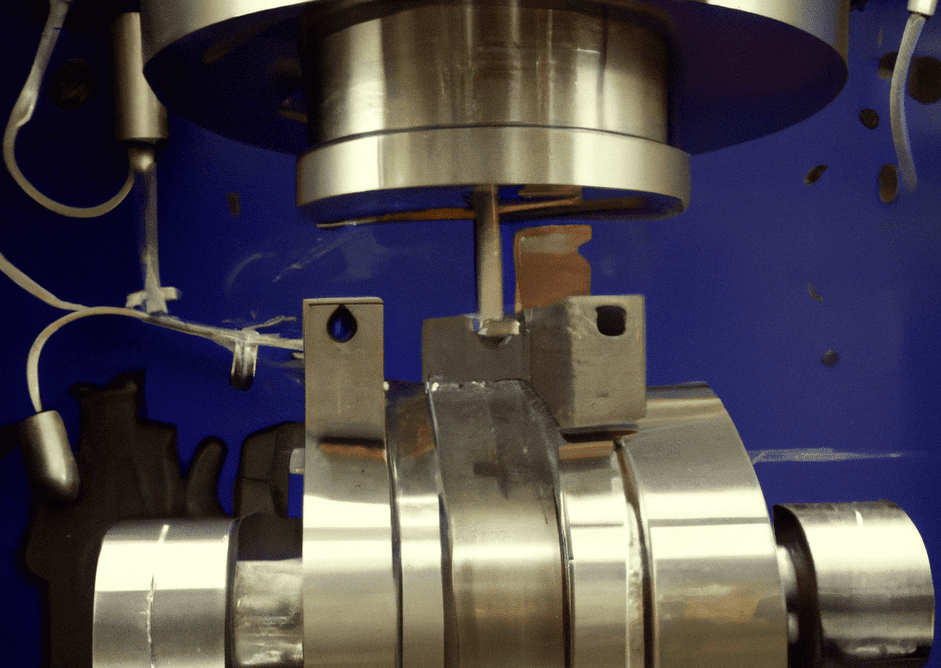
Precision machining is a set of processes used to create mechanical components to high standards of accuracy and quality. These processes are used in a wide range of sectors, including aerospace, robotics, automotive and electronics.
One of the most common precision machining operations is milling. Milling is a material-removal process in which a rotating tool, called a cutter, removes chips of material from the surface of a workpiece. It can create a wide range of shapes and geometries in a variety of materials, including metals, alloys, plastics and composites. Milling can be carried out with different technologies, including conventional milling, CNC milling and 5-axis milling. CNC milling is particularly useful for precision components, as it allows precise control of tool position and the creation of complex shapes with high accuracy.
As well as milling, precision machining can include other processes such as turning, drilling, grinding and welding. All these techniques are used to create precision components to high standards of quality and accuracy. In robotics, precision components are fundamental to the reliability and functionality of robots. Their precision ensures accurate robot movement and greater efficiency in carrying out tasks.
In general, precision machining is a core activity for many companies producing quality mechanical components on a subcontract basis. Thanks to advanced technology and skilled operators, these companies can supply precision components that meet customers’ requirements for shape, size, tolerance and quality.