
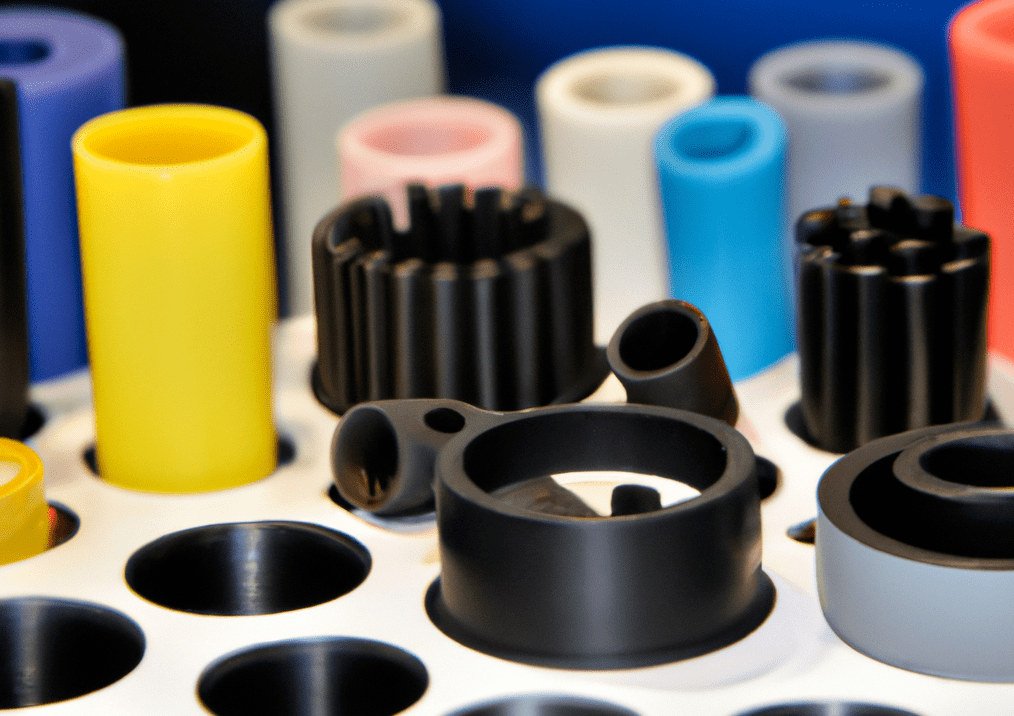
Precision machining of plastics is a constantly evolving field that is becoming increasingly important in the production of high-precision mechanical components. Plastics such as Delrin, Ertacetal, POM C, PVC, nylon, Teflon and polyethylene are used in many industries, including robotics, aerospace, automotive and electronics. Versatile, economical and light, these materials can be processed with a wide range of technologies, including milling, turning, extrusion, injection moulding and high-pressure injection moulding. These technologies make it possible to produce high-precision components with excellent dimensional accuracy and high-quality surface finishes.
One advantage of plastics is their ability to withstand extreme temperatures, humidity and corrosion. For example, Delrin is a thermoplastic resistant to abrasion and wear, while Teflon resists chemical corrosion and high temperatures. These properties make them particularly suitable for harsh environments and applications requiring high corrosion resistance. Plastics also have high mechanical strength, making them suitable for precision components subject to heavy loads. For example, POM C is a thermoplastic with high flexural strength, while nylon has high impact resistance.
Why use plastics for high-precision mechanical components
In general, precision machining of plastics produces high-precision components with excellent mechanical properties, resistance to wear, high temperatures and corrosion, and low weight. This makes them particularly suitable for many industries, such as robotics, aerospace, automotive and electronics. In conclusion, precision machining of plastics is a constantly evolving field that is becoming ever more important for high-precision mechanical components. See the plastics we machine.