
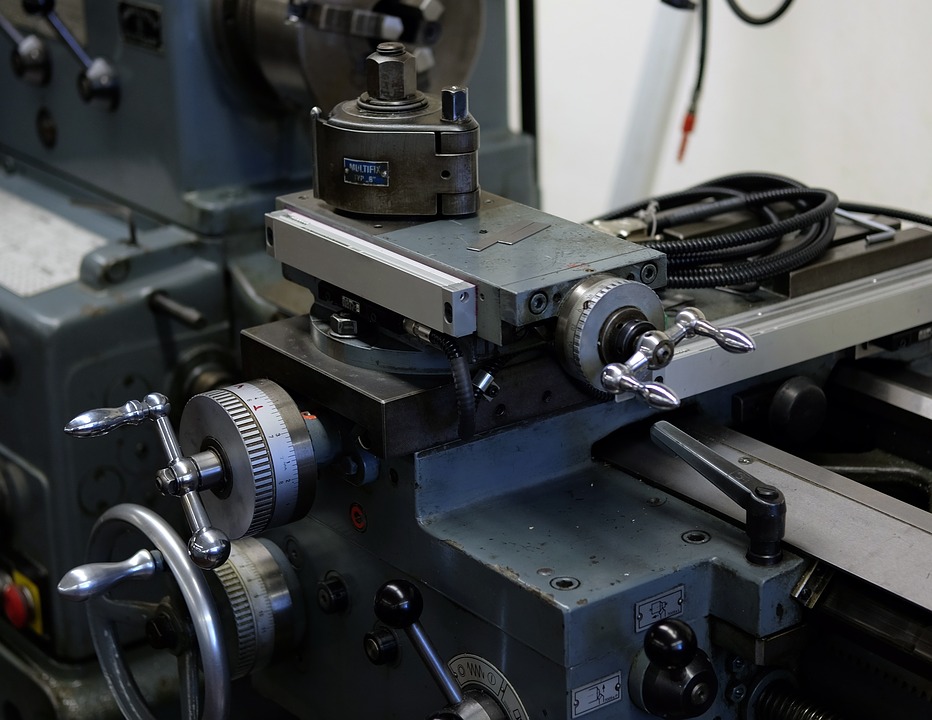
Precision turning is one of the fundamental techniques in the production of complex mechanical components. It makes it possible to produce parts with minimal tolerances and high-quality finishes, essential for sectors such as aerospace, automotive and medical. Using advanced lathes and numerical control technologies, turning can be applied to many materials with flexibility and efficiency. In this article we look at the most advanced precision turning techniques and their industrial applications, giving a complete overview of the importance of this process today.
Advanced precision turning techniques
Precision turning uses several techniques to ensure the highest quality. One of the most widespread is CNC turning, which allows the machining process to be programmed and automated. CNC lathes can perform complex operations with high precision, minimising errors and increasing productivity.
Another important technique is hard turning, which allows hard, resistant materials to be machined without compromising precision. It is used particularly for components that must withstand high loads and mechanical stress. Turning with ceramic or CBN (cubic boron nitride) tools also achieves excellent finishes and extends tool life.
Industrial applications of precision turning
Precision turning is used in many industries thanks to its ability to produce components with extremely tight tolerances. In aerospace, for example, it is used to produce jet engine parts and critical structural components that require precision and reliability.
In the automotive sector, precision turning is essential for engine parts, transmissions and other mechanical components that need strict tolerances and perfect surfaces. In the medical field, it is used to produce surgical instruments and prosthetic implants, ensuring high standards of quality and safety.